How to Find Your People Online: A No-Nonsense Guide to Niche Communities That Are Actually Alive
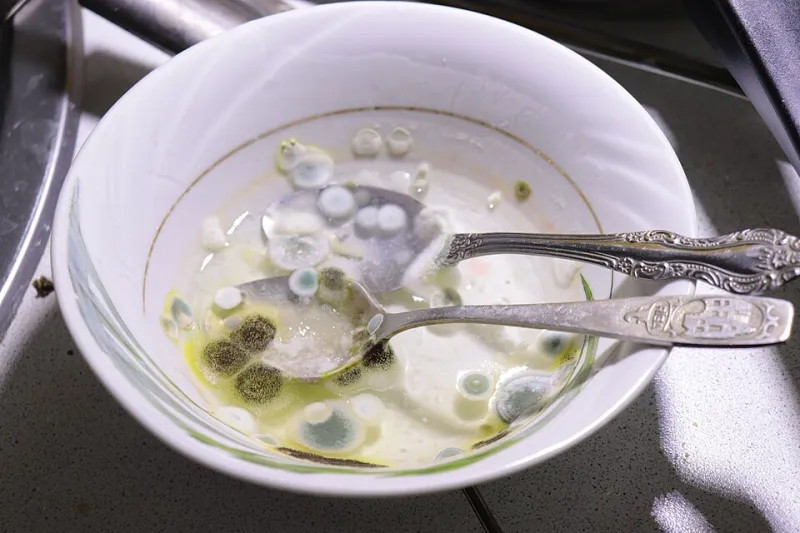
Photo: Evgeny2665, CC0, via Wikimedia Commons
You know the feeling. You join what looks like a promising online community — great description, decent member count — and then you post something and wait. And wait. And wait some more. One person liked your post six days ago. The last real conversation thread was from eight months back. Welcome to a ghost town.
It's one of the most frustrating experiences in digital socializing. But here's the thing: incredibly active, warm, genuinely engaging niche communities exist in huge numbers. You just need to know how to find them — and how to make sure you're actually adding something once you get there.
This is your complete roadmap.
Why Niche Actually Beats Broad Every Single Time
Before we get into tactics, let's settle something. You might think a community with 500,000 members is more likely to be active than one with 3,000. Often, the opposite is true.
Massive general-interest spaces tend to feel impersonal. Your post disappears in a flood of content. Nobody knows who you are. The conversation is shallow because it has to appeal to everyone.
Niche communities — spaces built around a specific interest, identity, or obsession — create the conditions for real connection. When everyone in the room cares about the same weirdly specific thing you do, conversation comes naturally. Members recognize each other. Inside jokes develop. A genuine culture emerges.
The goal isn't the biggest room. It's the right room.
Red Flags: Signs a Community Is Already Dead
Before you invest your time and social energy anywhere, do a quick health check. Here are the warning signs that a community has flatlined.
The last post is more than two weeks old. For most active communities, two weeks of silence is a lifetime. If threads are gathering dust, people have moved on.
Lots of members, almost no engagement. A subreddit with 80,000 subscribers and posts averaging two upvotes is a red flag. Raw member counts can be inflated by people who joined and never returned.
No response to new member introductions. Most healthy communities have some version of a welcome or intro space. If new people post there and hear nothing back, that tells you everything.
Moderators are absent or the rules haven't been updated in years. Active moderation is a sign that someone cares about the space. Stale rules and inactive mods suggest the community is running on fumes.
Every post is self-promotional. When a space fills up with people dropping links and bouncing, genuine community is long gone.
Green Flags: What Thriving Communities Look Like
Flip those signals around and you've got a checklist for healthy spaces.
✅ Fresh posts and replies within the last 24 hours
✅ Members responding to each other, not just to mods
✅ Recurring events, challenges, or weekly threads
✅ Evidence of inside jokes, shared history, or member recognition
✅ New members getting actual, warm responses
✅ Constructive disagreements — healthy communities debate, they don't just agree on everything
✅ A clear identity and vibe that feels intentional
Where to Actually Look
Different platforms cultivate different kinds of communities. Here's a quick breakdown.
Discord is arguably the gold standard for real-time niche community right now. Use sites like Disboard.org or Discord.me to search servers by interest. Look at member activity counts (not just total members) and browse public channels before committing.
Reddit still has genuinely thriving niche subreddits, especially for hobbies and fandoms. Sort by "New" rather than "Hot" to gauge how often people are actually posting, and check the community info for recent mod activity.
Facebook Groups get a bad rap, but certain hobby communities — especially for older interests like genealogy, vintage collecting, or regional music scenes — are surprisingly active there.
Substack and Patreon communities are worth exploring if you're into long-form intellectual discussion. Writers and creators often build tight-knit subscriber communities around their work.
Dedicated forums (yes, they still exist) can be treasure troves for niche interests. Motorcycle enthusiasts, amateur astronomers, and serious hobbyist cooks often maintain forum communities that have been active for 15+ years.
6 Niche Communities Worth Your Time Right Now
Want somewhere to start? These are real community types (and examples of the format) that are genuinely popping.
1. The Vinyl Collective (Music / Collecting)
Record collecting communities on Discord and Reddit have exploded in the past few years. Active members share recent pickups, debate pressing quality, and recommend deep cuts around the clock. Look for servers that host weekly "what did you buy this week" threads — that regularity is a sign of real life.
2. Tabletop RPG Guilds (Gaming)
Whether it's D&D, Pathfinder, or indie systems, tabletop RPG communities are famously welcoming and deeply active. Discord servers often run live sessions, share homebrew content, and maintain long-running campaigns that keep members coming back for months.
3. Niche Film Subreddits (Entertainment)
Forget the giant movie subs. Communities built around specific directors, movements, or genres — Italian horror, 70s New Hollywood, Korean cinema — tend to have passionate, knowledgeable members who write actual paragraphs. The depth of conversation is remarkable.
4. Local Music Scene Discords (Music / Local Culture)
Many cities have unofficial Discord servers or Facebook groups for their underground music scenes. These are goldmines for discovering shows, connecting with musicians, and getting plugged into a scene before it blows up.
5. Competitive Puzzle and Word Game Communities (Gaming / Brain Teasers)
Post-Wordle, puzzle communities have had a real moment. Groups around crosswords, cryptics, and logic puzzles tend to attract smart, engaged people who show up daily. The ritual of the daily puzzle creates natural recurring engagement.
6. Craft and DIY Hobby Circles (Lifestyle)
Spaces built around specific crafts — bookbinding, leatherwork, sourdough baking, urban gardening — often have the warmest vibes online. Members love sharing progress photos, troubleshooting problems together, and celebrating each other's wins. The tactile, real-world nature of the hobby gives everyone constant new material to share.
How to Actually Become a Member Worth Having
Finding the right community is only half the equation. The other half is showing up as someone people are glad to have around.
Lurk first, then engage. Spend a week just reading and watching before you post. Understand the norms, the recurring members, the inside references. When you do show up, you'll feel like you've been there longer than you have.
Add before you ask. Your first several posts should be contributions — interesting observations, helpful answers, genuine reactions — not requests. Build some goodwill before you need anything.
Be specific. Vague posts get vague responses. "What do you think about jazz?" gets ignored. "I just heard Coltrane's A Love Supreme for the first time and I can't stop thinking about the way the saxophone interacts with the bass in the third movement — what am I missing about this record?" starts a real conversation.
Show up consistently. Community is built over time. Drop in regularly, remember what other members have shared, and follow up on ongoing conversations. Being a familiar face (or username) matters.
Don't be afraid to start threads. At some point, the best thing you can do for a community is bring something new to it. A great question, a discovery, a challenge — these are gifts.
Your People Are Out There
Here at Club24, we believe the best entertainment isn't passive — it's participatory. The most fun you can have online isn't watching from the sidelines. It's being embedded in a community of people who get what you're into and are excited to talk about it at any hour of the day.
The ghost towns are out there, sure. But so are the places where the lights are always on and somebody's always home. Go find yours.