Logging Off the Office, Logging On to the Club: The New American Happy Hour

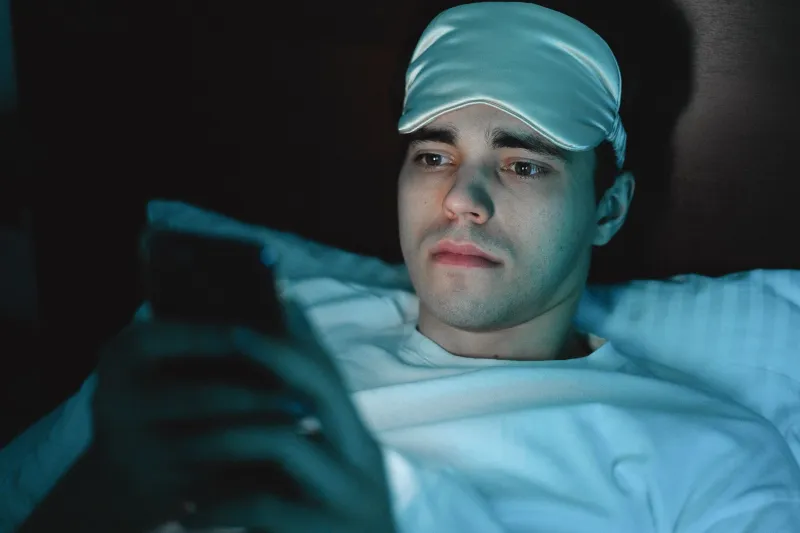
At 5:58 PM on a Tuesday, Marcus Bell closes his laptop in his Denver apartment, walks twelve steps to his kitchen, pours a sparkling water, and opens a browser tab. His commute: nonexistent. His destination: not a bar, not a gym, not a friend's patio — but an online club where roughly forty of his digital friends are already hanging out.
"I used to do happy hour twice a week," he says. "Now I can't remember the last time. My happy hour has a login screen."
Marcus isn't an outlier. He's part of a quiet migration happening across the country — millions of remote and hybrid workers who finish their shifts and, instead of heading anywhere, simply shift tabs. Welcome to the 6 PM crossover.
The Death of the Commute, the Birth of the Crossover
For decades, the transition between work and personal life had a physical marker: the commute. Whether you drove, rode the L, or squeezed onto BART, that stretch of time told your brain the workday was over. Then came remote work, and that ritual evaporated.
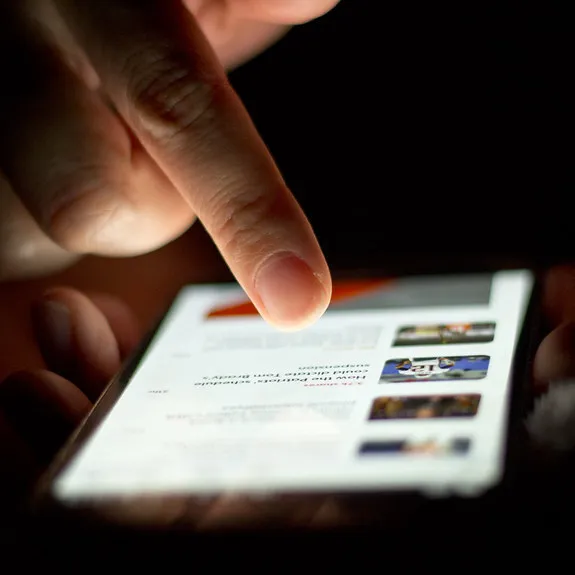
What's replaced it, for a growing number of Americans, is digital. The moment Slack goes quiet, Discord lights up. The group chat becomes the after-work lounge. The online club becomes the neighborhood bar that never closes.
Sociologists have a term for this kind of space: the "third place" — the spots that aren't home and aren't work where community actually happens. Ray Oldenburg, who coined the phrase, was thinking about barbershops and taverns. He probably wasn't imagining a gaming community with a dedicated trivia channel. But functionally? It's the same job.
Why the Bar Lost
There are practical reasons the crossover is winning. Happy hour costs money — a round of drinks in most US cities now runs $15 to $18 a pop. The online club costs nothing but bandwidth. Add in gas prices, last-minute schedule chaos, and the simple gravitational pull of your own couch, and the math gets brutal.
But the deeper reason is consistency. A bar is only lively when enough people show up. A good online community is always populated, because its members are scattered across time zones and schedules. When Priya Raman, a project manager in Austin, logs off at 6, she's joining a voice chat where someone on the East Coast is winding down dinner and someone in California is on a lunch break.
"The bar had a vibe maybe Friday and Saturday," she says. "My club has a vibe every night. That's not even a competition."
What Platforms Know About Your 6 PM
The platforms have noticed. Activity metrics across social and community platforms consistently show engagement spikes between 5 and 8 PM local time — the exact window the happy hour used to own. In response, community platforms have started building features that look suspiciously like nightlife: scheduled evening events, live audio rooms, watch parties timed to coast-to-coast primetime, and drop-in voice channels that mimic the low-stakes atmosphere of a lounge.
Some clubs run what are essentially themed nights — trivia Tuesdays, album-listening sessions, fantasy sports drafts — that function exactly like a bar's wing night. The language of hospitality is creeping into community management. Moderators talk about "keeping the lights on" and "regulars." One server owner described his role as "basically a bartender with better taste in music."
The Catch: Frictionless Isn't Always Free
Here's the honest part: the 6 PM crossover has a shadow side. When your club is one click away, there's no natural stopping point. The commute used to bookend the evening; now nothing does. Some members describe drifting from a work doc straight into a community call without ever truly clocking out.
The healthiest communities have started building their own version of last call. Scheduled events create natural endings. Some members set personal rituals — a walk around the block before logging on, a hard stop at 9 PM — to recreate the boundaries the commute once provided.
And the in-person crowd pushes back, fairly, on whether a voice chat can really replace a handshake. Marcus has a nuanced answer: "It's not a replacement. It's a different thing. But it's a thing I actually show up for, five nights a week."
The New Regulars
There's something genuinely sweet happening in these spaces. Longtime members talk about watching each other's kids grow up through photos in the general channel. They celebrate promotions, mourn losses, and split into breakout calls like friends claiming a corner booth. The regulars have their own running jokes, their own table — the same social architecture that made the neighborhood bar beloved, minus the sticky floors.
The happy hour isn't dead. But for a growing share of American workers, it's been joined — and in many cases, quietly replaced — by something with no closing time, no tab, and a seat that's always waiting.
So the next time someone tells you they're "grabbing a drink with friends," don't assume there's a bar involved. They might just be opening a tab in a very different kind of club. And honestly? The company's just as good.