Rejected by a Robot: When the Bouncer at the Digital Door Isn't Even Human
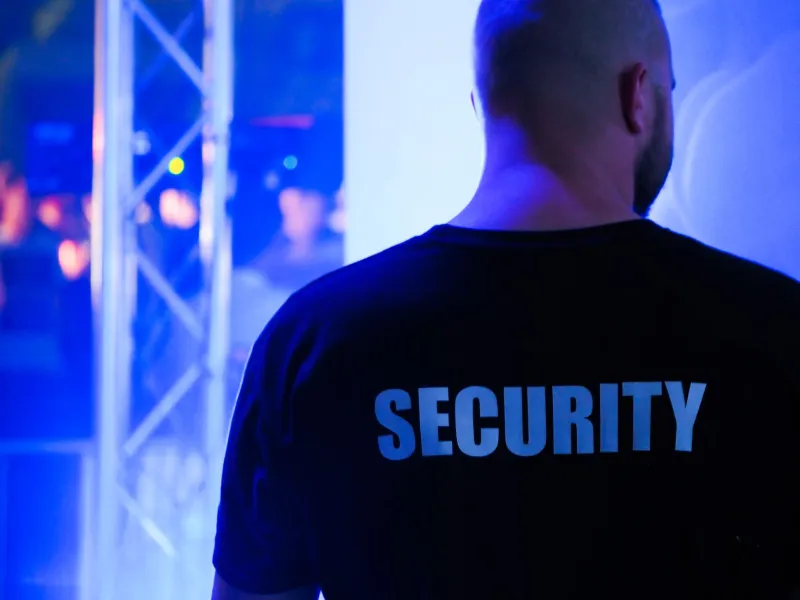
There's a moment every new member of an online community knows well: you hit that join button, hold your breath, and wait. Ten years ago, a moderator named Dave would eventually wave you through. Today, increasingly, that gatekeeper is an algorithm — and it's already made up its mind about you before you've typed a single word.
Welcome to the new front door of the always-open club.
The Bouncer That Never Sleeps
If a physical nightclub in Miami or Manhattan hired a doorman who worked every night of the year without a break, they'd be a legend. Online, that's just Tuesday. AI moderation tools now handle everything from screening new applicants to scanning messages for red flags, and the biggest 24/7 communities — the ones humming at 4 AM in Ohio and 11 PM in Portland — have leaned in hard.
The pitch is obvious. A community that never closes can't rely on volunteer mods in different time zones to catch every troll, spam bot, or bad-faith actor. Algorithms don't need sleep, don't play favorites, and can process thousands of applications in the time it takes a human to read one.
"We were drowning," one community manager for a 40,000-member gaming and hangout server told us. "AI onboarding cut our spam problem by like 90 percent overnight. I don't miss manually rejecting crypto scammers at 2 in the morning."
But here's the tension: the same system that filters out scammers also filters out people. And unlike a human doorman, an algorithm doesn't explain itself.
Flagged for 'Vibe'
Modern AI moderation doesn't just look for slurs and spam links. It scores behavior. How quickly you filled out the application. Whether your account is a week old. The phrasing of your intro post. Some tools even assess whether your energy "matches the community" — a phrase that sounds suspiciously like a velvet rope with extra steps.
We heard from a handful of people who got bounced with no explanation. One woman, a 29-year-old from Atlanta who asked to stay anonymous, was auto-rejected from a pop culture community she'd been excited to join. "I answered everything honestly. Denied. No reason given. I actually went back and rewrote my answers more casually, reapplied, and got in. What does that even mean?"
It means the algorithm had a preference — and she learned to game it. Which raises a question old enough for any American social club: when the rules for getting in are invisible, who exactly is the club for?
The Hidden Curriculum
Here's what community managers will tell you off the record: AI moderation doesn't just keep bad actors out. It quietly trains the whole membership on how to behave.
Members figure out fast what gets flagged. They learn the vocabulary that trips filters, the posting patterns that look suspicious, the intro style that sails through. Over time, the community starts sounding like itself — or at least, like what the algorithm thinks it should sound like.
That's not entirely bad. Lots of members told us they appreciate that the creeps and grifters are mostly gone, that the room feels safer at 3 AM than the open internet ever does. One longtime member of a music discussion club put it plainly: "I'd rather deal with a robot that occasionally false-flags someone than a mod team that misses half the harassment."
But there's a difference between a bouncer who says "not tonight, pal" and one that says nothing at all. Rejection without explanation doesn't just exclude — it confuses. And confused people don't usually come back.
The Human Backstop
The healthiest communities we looked at treat AI as a filter, not a judge. Algorithms triage; humans decide. Flagged applications get a real person's eyes. Auto-rejections come with a reason, or at least an appeal path. Some clubs run "second look" threads where rejected applicants can ask for a manual review.
"The tech is a tool," the same manager told us. "The moment you let the algorithm have the final word on who belongs, you've outsourced your culture to a spreadsheet. And spreadsheets don't know what makes a room feel alive."
The Door Is Still the Door
Clubs have always had gatekeepers. The country club had a membership committee; the dive bar had a bartender with a memory. The question was never whether someone decides who gets in — it's whether that decision is fair, explainable, and occasionally overruled.
As America's social life moves permanently online and communities run around the clock, the algorithmic doorman isn't going anywhere. It's getting better, faster, and more invisible. The clubs that thrive will be the ones that remember what the best doormen always knew: the point of the door isn't keeping people out. It's making the people inside feel like they got in somewhere worth being.
Even at 4 AM. Especially at 4 AM.