Eight PM Isn't a Time Zone, It's a Gatekeeper

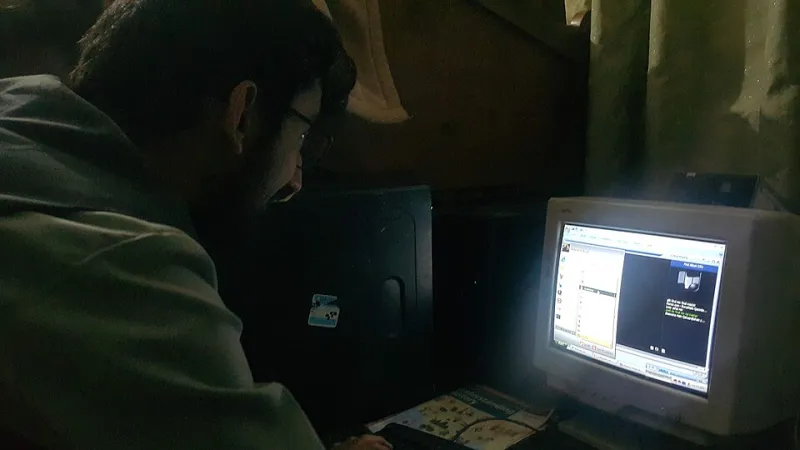
Photo: David Marcu davidmarcu, CC0, via Wikimedia Commons
Every 24/7 community sells the same fantasy, and it's a good one: the doors never lock, so there's always a seat, always someone awake, always a conversation with your name on it. No closing time, no last call, no bouncer checking the clock.
Except there is a bouncer. It just doesn't wear a headset.
It's the schedule. And in nearly every always-on community I've spent time in, the loudest hour of the day is still 8 PM Eastern — that soft window after dinner, before bed, when the East Coast is settled in and the Midwest has caught up. That's when the events get scheduled, the big threads get posted, the decisions get made, and the inside jokes are born. Everything else is, structurally, the after-party.
The prime-time illusion
Television taught us to think of prime time as a marketing decision. Online, it's an accident that hardened into a hierarchy. Moderators and community leads are overwhelmingly concentrated in the Eastern time zone, so the schedule naturally reflects their evenings. A 9 PM event in New York is 6 PM in California and 2 AM in London, and the person who set the calendar never had to think about it.
What looks neutral — "we just picked a time that works" — is actually a filter. It decides whose voice gets amplification and whose gets archived.
Who's actually talking at 11 PM Eastern
Spend a week in the late-night channels of a mid-size community and a pattern emerges. The 11 PM crowd is small, self-selecting, and disproportionately made up of the people with the least pull in the room during daylight: night-shift workers, insomniacs, parents who finally got the house quiet, second-shift nurses, truckers parked at a rest stop in Ohio.
They're often the most loyal members in the building. They're also the ones whose conversations get buried by morning, because the thread they built at 3 AM is now eleven posts deep under a meme dump by 9 AM.
There's something genuinely unfair in that. The room was open, but nobody was listening.
The West Coast arrival problem
Equally invisible: the member who logs in at 9 PM Pacific and finds the day already over. The event ended. The joke's been explained twice. The decision was made in a call they couldn't attend. They're not late because they're disorganized. They're late because the community's center of gravity sat down three hours before their workday ended.
Over months, that compounds into a quiet demotion. The late arrival stops volunteering for things. Stops pitching ideas. Stops trying to break into the group chat mid-flow. The room didn't reject them. It just never left a door open at the right hour.
The async members aren't lurking. They're locked out.
Here's where the standard defense falls apart. Every community lead will tell you: "We have async options. The forum, the recap posts, the recordings." True, and also missing the point.
The person reading the recap is not participating in the conversation. They're reading the minutes of a meeting they weren't invited to. Async is a good backup and a terrible substitute, because it captures the conclusions and throws away the texture — the hesitation before the joke landed, the moment someone changed their mind, the side channel that turned into a friendship.
An always-open club that only feels alive for four hours a day is functionally a four-hour club with an elaborate archive.
What fairness would actually look like
None of this requires a heroic overhaul. It requires treating time the way good communities already treat money — as a resource that gets distributed, not assumed.
- Rotate the anchor. Move the flagship event around the clock on a published cadence. A 7 PM Eastern event followed a week later by a 7 PM Pacific one signals that both rooms matter.
- Name the prime slot out loud. If the main conversation is 8 PM Eastern, say so instead of pretending the schedule is neutral. Transparency lets people plan.
- Give late-night threads daylight. Pin or resurface the best late-night conversation the next morning. It's a two-minute job that tells a whole time zone it was heard.
- Pay attention to who's never on camera. If the same six people appear in every voice chat, the schedule is doing the recruiting for you.
- Keep a second set of moderators awake. Night coverage isn't generosity. It's coverage.
Always open, occasionally fair
There's a version of the 24/7 promise that actually delivers. It doesn't come from staying lit around the clock. It comes from noticing who's in the room at 3 AM and acting like they're worth scheduling around.
The clock is not neutral. It never was. The only question is whether the people running the room are willing to look at it.