Last Call Never Comes: A Night on Shift With the Mods Keeping America's Digital Clubs Open
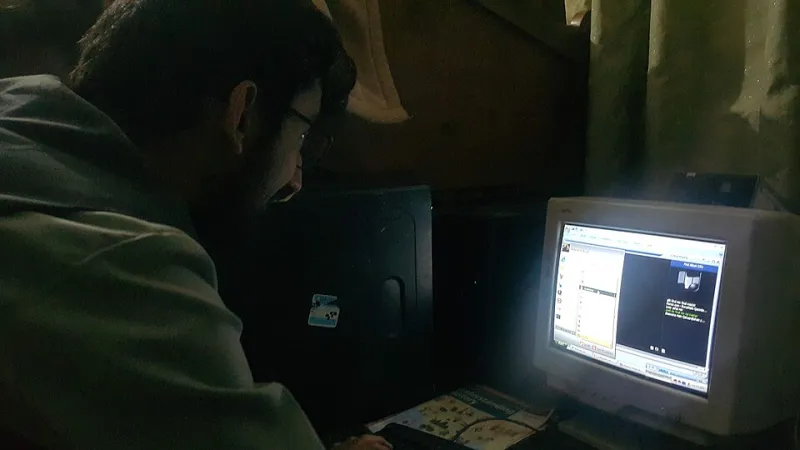
Photo: Kskhh, CC BY-SA 4.0, via Wikimedia Commons
It's 2:47 AM in Ohio and Marcus has been on shift for three hours. Nobody's paying him. Nobody clapped when he clocked in. But somewhere in his Discord server — 40,000 members, spread across every US time zone — a drunk argument is brewing in the general chat, and he's already got his hand on the virtual doorknob.
"People think modding is deleting messages," he tells me. "It's more like being a bartender who can also see the whole room at once."
The Job Posting Nobody Wrote
Ask ten moderators what they actually do and you'll get ten different answers, because the role has never been formally defined. There's no HR onboarding, no employee handbook, no corner office. What there is: an unwritten job description that reads like a mashup of security guard, therapist, party host, and janitor.
The day shift has it easy, relatively speaking. Daytime mods handle spam waves, settle petty disputes, and pin announcements. The overnight crew is different. When America goes to bed, the people still awake tend to be the ones who need something — company, distraction, or occasionally an intervention.
"After midnight, it stops being about rules and starts being about people," says Dana, who mods a 24/7 gaming community from her apartment in Phoenix. "Someone's posting at 3 AM because they can't sleep, or they're lonely, or they're going through it. You learn to read the difference between a troll and a cry for help pretty fast."
That's not in any moderation guide. It's learned on the job, the way bouncers learn to spot a fight before it starts.
The Burnout Nobody Budgets For
Here's the part the platforms don't put on the landing page: mods wash out. A lot of them.
The numbers are fuzzy because most moderation is volunteer work — no W-2s, no official stats — but anyone who's spent time in community management circles has watched the cycle. Enthusiastic member gets promoted to mod. Mod works nights, weekends, holidays. Mod absorbs a steady drip of abuse from strangers. Mod quietly resigns eight months in, leaving a farewell post and an empty slot.
"You're doing emotional labor for free at 4 AM while someone calls you a slur," Marcus says. "The community never sees that part. They just see the chat running smooth."
The economics are lopsided in a distinctly American way. A community of 50,000 members might represent real revenue — subscriptions, sponsorships, merch — while the people keeping it functional receive, at best, a special colored username and a thank-you at the annual anniversary event. It's the old nightclub math: the door guy makes the venue possible and the owner takes the cover charge.
The Quiet Rise of the Paid Mod Corps
Which is why the landscape is starting to shift. Larger platforms and subscription-backed communities have begun quietly building paid moderation teams — not gig work, but actual staffed shifts with leads, handoff notes, and, occasionally, benefits.
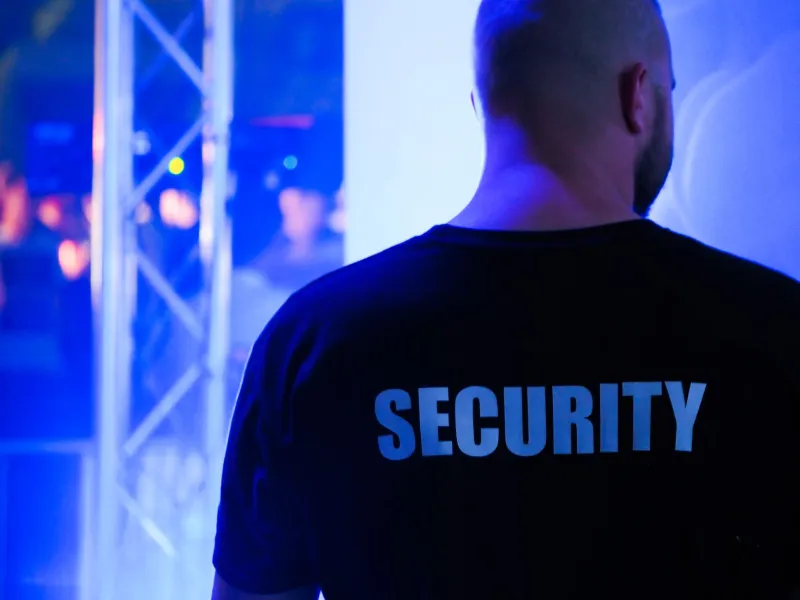
The model looks suspiciously like how a physical club operates. There's a head of security (head moderator). There are shift leads. There's a do-not-admit list (bans) and a VIP list (verified members). Some communities even run shift handoffs that read exactly like bar close-out reports: incidents logged, problem members flagged, tone of the room assessed.
A few things are driving the professionalization:
- Legal exposure. US platforms are increasingly aware that unmoderated spaces carry real liability, from harassment claims to content crises.
- Money on the table. Paid community memberships mean paying customers expect a staffed floor, not a self-serve free-for-all.
- Mod flight risk. Burned-out volunteers quit, and recruiting replacements is harder than just paying the people who already know the room.
"We started treating moderation like staffing a venue," one community founder told me. "Weekend nights get double coverage. Holidays get a skeleton crew with a manager on call. It sounds corporate, but our mods stopped quitting."
What the Overnight Crew Actually Does
Spend a few hours shadowing a night-shift mod and the job reveals itself in small moves. A new member posts something borderline at 1:15 — not quite ban-worthy, but a warning shot. The mod doesn't delete it. They reply with a joke that reframes the thread, and the moment passes. That's the bartender skill: de-escalation by vibe, not by hammer.
Then there's the quieter work. Checking on the member who's been posting increasingly dark messages all week. Redirecting a heated political argument before it becomes a pile-on. Welcoming the insomniac who just joined and doesn't know anyone yet.
"Honestly, half my job is making sure the room feels safe enough that people keep coming back," Dana says. "Same as any bar. The drinks are secondary."
Respect Is the Real Compensation
There's no tidy ending here. Most mods will remain volunteers. Most will burn out or move on. The ones building paid mod corps are the exception, not the rule.
But the next time you wander into a community at 3 AM and find it clean, friendly, and weirdly welcoming, know that someone was on shift for that. Someone took the hit, read the room, and kept the lights on.
The bouncer, the bartender, and the bot all work the same door. Only one of them never gets tipped.