The Quiet Welcome: Designing an Onboarding Track for After-Midnight Arrivals

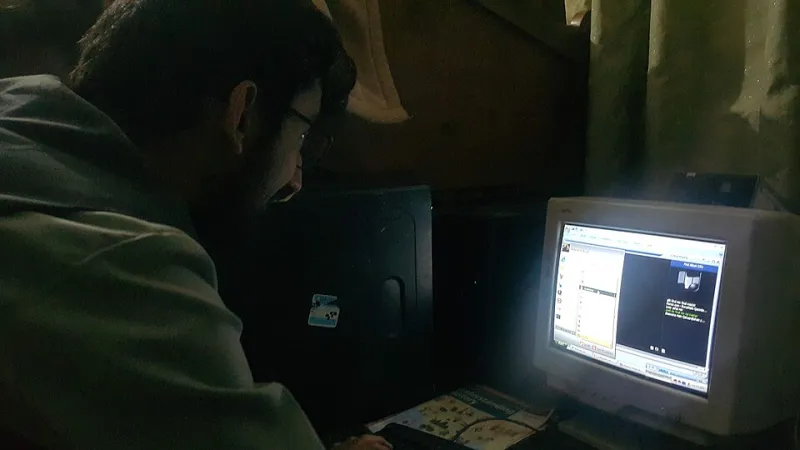
Photo: Romaine, CC0, via Wikimedia Commons
At 2:07 a.m. on a Tuesday, someone in Phoenix taps Join on a Club24 room. They have been lurking for a week. They finally made the leap because the house is quiet, their shift just ended, or sleep is not happening. Within minutes, a bot sends a welcome message with six links, a code of conduct, and an invitation to a 7 p.m. orientation. They close the tab.
That scene repeats in 24/7 clubs across the US. Most onboarding flows are built for daylight: a welcome post at 10 a.m., a live tour at 7 p.m. ET, an introduce-yourself thread that assumes a crowd. For the after-midnight crowd, those touchpoints are either hours away or hours past. The result is a quiet leak — late-night sign-ups who never get a real welcome and never come back.
The 2 A.M. Sign-Up Is Not a Daytime Sign-Up
A 2 a.m. joiner is often not the same person as a 2 p.m. joiner. They might be a night-shift nurse in Ohio, a remote developer in California, a new parent, or someone who simply does their best thinking after everyone else logs off. Their first visit is likely short and private. They are not ready for a crowd, a voice chat, or a calendar full of events. They are testing whether the room feels safe enough to return to.
Daytime templates assume availability and extroversion. Late-night onboarding should assume neither. The goal is not to flood the new member with information. It is to prove that a real person is around and that there is no penalty for being quiet.
Start With One Human, Not a House Tour
The single most important touchpoint is a real reply from a real member within minutes, not hours. A rotating night host can handle this. The message can be short: Saw you joined. No rush. If you want, tell us one thing you are into — a show, a game, a project. If not, lurk away.
That is it. No six-link welcome packet. No mandatory survey. No pressure to post a photo or join a call. The message does three things: it confirms the club is alive, it gives the newcomer an easy exit, and it makes the first interaction feel human.
Build a Tiny Intro Ritual
Most clubs ask new members to introduce themselves in a thread. For a 2 a.m. arrival, that can feel like walking into a party and being handed a microphone. A smaller ritual works better. Ask for one song, one show, or one thing they are working on. Or use a three-word check-in: here, curious, tired.
Keep the ritual in one pinned thread and make it optional. The point is not to collect bios. The point is to give the newcomer a low-stakes way to be seen if they want to be seen. If they do not, the thread should still be there tomorrow.
Offer a Next Step That Doesn’t Need a Crowd
The next step should not be a live event at 3 a.m. or a crowded voice room. It should be a single, quiet action: read one pinned thread, answer one poll, drop a question in an ask-me-anything post. The language matters. Try: If you are up, leave a line here. If not, it will be here tomorrow.
This gives the newcomer agency. They can participate now or later. They can lurk without guilt. That is how late-night members become regulars — not through a parade, but through a door that stays open.
A 24-Hour Sequence That Respects Sleep
A simple sequence can carry the first day without overwhelming anyone. Hour zero: one human reply. Hour one: the tiny intro ritual. Hour twelve: a low-crowd next step. Day two: a short recap of what happened in the room, with no demand to respond. Day seven: an invitation to a member-led open mic or a small themed thread.
The sequence should be optional at every stage. If the member replies, great. If not, keep going. The worst thing a 24/7 club can do is treat silence as rejection. Late-night people are often quiet by design.
Measure the Quiet Wins
Stop measuring only joins and total replies. For this cohort, track first human reply time, intro ritual participation, day-seven return, and second visit. Segment by sign-up hour. If the after-midnight group returns at a lower rate than the daytime group, the problem is probably the welcome, not the member.
What to Avoid
Avoid bot walls, mandatory intro posts, event invites that assume a 9-to-5 schedule, and promises of 24/7 energy when the room is empty. Also avoid overcorrecting with a nightly party. Late-night newcomers do not need a crowd. They need consistency.
The Takeaway
The 2 a.m. welcome wagon does not need confetti. It needs one real person, one small ritual, and one next step that does not require a crowd. Build that, and the quiet late-night sign-up has a reason to come back tomorrow.